
Ask any Londoner about winter season windows and you will hear the same story: streaming panes in the morning, black mould sneaking into silicone lines, paint bubbling on the sill. Condensation is more than a nuisance, it is a sign that your building physics are out of balance. I have actually invested twenty years defining and fitting glazing from Barnet balconies to Bermondsey warehouses. The ideal double glazing, properly installed and ventilated, will transform a damp-prone space into a dry, comfortable space. The incorrect product, or a good item fitted terribly, can make little distinction at all.
This guide sets out how condensation really forms, where double glazing assists and where it does not, and which frame systems, glass types, and installation standards matter if you are severe about fixing the problem. I will likewise indicate the providers and accreditations that carry weight in London, so you can judge quotes with confidence rather than guesswork.
What condensation is and why it appears on your windows
Condensation is merely air quiting moisture when it is cooled below its humidity. Warm internal air holds an unexpected amount of water vapour from showers, cooking, drying laundry and even residents breathing. When that air satisfies a cold surface area, the temperature at the glass falls past the humidity and water condenses. Single glazing and badly carrying out frames run cold in winter season, so the glass becomes the coldest surface in the room. That is why the windows sweat before the walls.
From a structure physics viewpoint, you wish to raise the internal surface temperature level of the glazing, lower indoor humidity to practical levels, and eliminate cold bridges around the perimeter. Quality double glazing addresses the first and 3rd, and sensible ventilation handle the 2nd. Sometimes background heating strategy requires attention too, especially in underheated spaces in Hackney conversions where bed rooms sit over unheated common lobbies or improperly insulated floors.
Where double glazing makes a real dent in condensation
A good modern-day double glazed unit lifts the internal glass surface area temperature level by several degrees, often the distinction in between an hour of streaming water and a dry pane. With a standard 4/16/4 unit, argon-filled cavity, warm-edge spacer and soft-coat low-E glass, you can expect a centre-pane U-value around 1.1 to 1.2 W/m TWO K. Move from there to A-rated or A+ BFRC energy labels, and you are typically integrating low-E finishes with argon gas and warm-edge innovation that resists conductive heat loss at the boundary. In a Victorian bay in Waltham Forest, I have actually seen the early morning surface area temperature level of old single glass at 6 to 8 ° C jump to 14 to 16 ° C with an A-rated double glazed sash replacement, determined with a basic IR thermometer throughout a January survey. The difference in condensation was night and day, despite the fact that the household's humidity did not change.
Thermally broken aluminium windows, UPVC frames with multi-chamber profiles, and well-designed timber frames with insulated beads all press the internal frame surface areas warmer. Frames matter as much as glass. I routinely see slimline aluminium without correct thermal breaks form cold lines near the mullions, which can attract narrow bands of condensation even with great glass. If you desire aluminium windows by doorwins the refined sightlines of aluminium doors and windows, pick systems with proven thermal breaks, not spending plan profiles. Credible windows and doors suppliers in London will show you evaluate information instead of unclear reassurances.
Condensation that double glazing can not fix alone
Some problems are humidity management instead of glazing efficiency. Bathrooms with extract fans that do not run enough time, kitchen areas without ducted extraction to outdoors, and bedrooms where laundry dries on radiators will overwhelm even the best glass. You will still see wetness on the coldest point in the room, normally the edges of the panes or the metal handles, and on external walls that do not have insulation. I warn clients in Lambeth and Southwark that brand-new windows do not change the need for background ventilation. If you eliminate trickle vents during a window replacement without including mechanical ventilation, expect the air to stagnate.
Another edge case is internal condensation inside the sealed system. That is an unsuccessful double glazed system where the perimeter seal has actually broken down, permitting wetness to enter the cavity. No amount of cleaning will clear it due to the fact that the misting is within the system. The remedy is replacement of the glass system by a qualified double glazed units maker in London or through your original installer if within warranty.
Glass options that move the needle
Low-E glass is the standard for condensation control due to the fact that it decreases radiative heat loss, raising internal surface temperatures. Soft-coat low-E exceeds hard-coat in most circumstances, though hard-coat stays useful for particular heritage retrofits that require external pane durability. Argon gas double glazing is standard in quality systems; it is cost-effective and raises efficiency. Krypton just makes sense in narrow cavities, for instance in slimline heritage double glazing where you should keep the unit thickness down for existing rebates. For most London homes, a 4/16/4 or 4/20/4 with argon and a soft-coat low-E on the inner pane is the sweet spot.
Warm-edge spacers deserve attention. The spacer bar at the perimeter of the unit can be a condensation magnet if it is a conductive aluminium type. Modern polymer or stainless warm-edge spacers decrease perimeter condensation danger and enhance overall U-values somewhat. When I cost a task in Camden with deep reveals and little air movement, I constantly define warm-edge to avoid those telltale damp arcs at the bottom edge of the glass.
Acoustic laminates can aid with road sound on the A10 or near the Overground, and they likewise include a tiny advantage to surface area temperature level due to the additional interlayer. Do not anticipate miracles for condensation, however if you are spending for acoustic glass anyway, get the makeup right: something like 6.8 laminated outdoors and 4 mm inside with a 16 or 18 mm argon cavity and low-E on surface 3 is a typical London configuration.
Triple glazing can press the internal surface area warmer still, minimizing condensation further, specifically on big sliding doors in exposed plots along the Thames. The trade-off is weight and frame capability. On existing masonry openings in Islington terraces, triple can be overkill unless you are also enhancing ventilation. The very best outcome typically comes from a balanced package: low-E double glazing, argon fill, warm-edge spacer, thermally broken frames, and regulated ventilation.
Frame systems and seals that keep the edges dry
UPVC windows and doors remain a cost-effective path to outstanding thermal performance. Multi-chamber UPVC profiles from relied on double glazing suppliers regularly achieve whole-window U-values around 1.2 to 1.4 W/m ² K with the ideal glass, and the internal frames resist cold bridging. For UPVC windows London homeowners should try to find branded profiles backed by BS EN 12608 and installers who are FENSA certified window installers or CERTASS authorized double glazing experts. The certificate matters for Structure Regulations and for your resale paperwork.
Aluminium windows and doors have proceeded significantly. Thermally broken aluminium windows using polyamide or advanced thermal inserts provide outstanding efficiency with slim sightlines. They are the right option for modern window designs London designers like, and for big periods like aluminium bifold doors London projects specify in kitchen extensions. Guarantee the system is a recognized brand name with released U-values for specific setups, not generic "aluminium" with unidentified thermal breaks. The gaskets and drain paths in quality systems lower water tracking and boundary damp, which assists keep internal edges warmer and drier.
Timber, when defined correctly, is a delight for period houses in Richmond or Hampstead. Engineered wood frames with proper glazing rebates, drained and ventilated systems, and double weather seals offer outstanding convenience. Wood demands upkeep and careful detailing to avoid cold spots at beads and sills. Done right, condensation is no even worse than with UPVC or aluminium, and frequently better due to the fact that lumber has a lower thermal conductivity.
Installation standards that separate success from disappointment
Half of condensation control is the item, half is how it is fitted. A FENSA or CERTASS certificate reveals the setup fulfilled Structure Laws, but it does not ensure premium detail. Ask how the installer will deal with:
- Perimeter sealing and insulation at the cavity. A compressible broadening tape or low-expansion foam plus an internal airtight seal reduces cold air wash around the frame. Skipping this step is why edges sweat. Trickle vents or alternative ventilation. If you remove vents, specify mechanical extract in wet spaces and consider a through-wall dMEV or MVHR in tight flats. Cill and head packers. Poor packer placement develops point cold bridges and distorted frames that leak air. Warm-edge spacers and frame packers that match the thermal intent of the unit, not leftover aluminium strips from the van. Drainage courses. Blocked or misrouted drainage can hold cold water near internal edges.
I still come across window replacement London tasks where the glass is excellent however the reveals are left uninsulated, so the plaster line remains cold and moistens up. Request for photos of the set up stages, not simply the last clean pane. Relied on glazing experts London companies will share these without fuss.
Ventilation: the missing piece in numerous London homes
You can have the best energy effective windows London providers provide and still struggle with condensation if indoor humidity sits at 65 to 75 percent RH. Target 40 to 55 percent RH in winter. In practice that implies a few sensible routines and in some cases little upgrades. Duct your cooking area extractor to outdoors, not a recirculating filter hood. Fit humidity-sensing fans in bathrooms that work on after showers. Use trickle vents if mechanical extraction is not useful, especially in securely sealed flats in Canary Wharf where wind-driven ventilation is bad. MVHR can be transformative in whole-house refurbishments, specifically in airtight tasks going for sustainable glazing London and low carbon heating.
I utilize an easy datalogger in pre-works studies to reveal clients how RH spikes map to condensation episodes. A week of information often persuades a sceptical property manager in Haringey that the concern is not simply "cold windows" but moisture load and absence of extract.
Door systems: bifolds, sliders and French sets without the wet tracks
Large doors broaden the condensation discussion due to the fact that volumes of glass fulfill deep aluminium profiles. Bifold doors London property owners like for open-plan living can suffer cold tracks if you pick non-thermally broken sills or bad drain. Specify thermally broken limits and check the Uw estimations for the specific setup. Moving doors London jobs favour, specifically lift-and-slide, typically carry out better for airtightness and thermal breaks than budget bifolds. French doors London homes utilize in smaller sized openings can be very comfortable with double seals and warm-edge glazing.
Pay attention to the meeting stiles. Narrow sightlines look terrific, but the aluminium inside those stiles should have correct thermal areas. Ask for area drawings. A reputable London doors and window company will supply them together with BFRC ranked glazing suppliers information for the system make-up.
Dealing with exterior condensation on high-performance glass
As efficiency rises, you may see external condensation on the outside of your systems on clear, still early mornings. The external pane runs colder since less heat is escaping to warm it. This is not a fault, it is a sign your low-E glass and argon cavity are doing their job. It tends to clear quickly with sun or breeze. In north-facing yards in Kensington where air is still, it can linger. Some glass producers offer anti-condensation finishes for the outer pane to minimize this result, however many customers accept the occasional mist as the price of warm rooms.
Choosing between UPVC, aluminium and wood for condensation control
There is no universal winner; it depends on your building, your budget, and your aesthetic. For budget-friendly double glazing London-wide, UPVC remains engaging, particularly in mid-terrace replacements where budget plans are tight but thermal performance should be strong. For bespoke aluminium doors London architects define in high-end extensions, go with thermally broken aluminium systems and triple seals. For conservation areas in Westminster or Greenwich, well-detailed timber sash or casement units with slimline double glazing can fix condensation without falling foul of planners.
I motivate clients to compare whole-window U-values, not simply centre-pane, and to ask for the BFRC label when offered. Energy performance in windows and doors is the right goal, however pair it with confirmed installation details and ventilation strategy.
The role of requirements, accreditation and who to trust
In London, make certain the installer is FENSA licensed or CERTASS approved. These bodies inform Building Control for you and guarantee the basics of thermal performance, security glazing where needed, and drip vents or equivalent ventilation where the regs require them. If your home is leasehold, most managing representatives in Camden, Tower Hamlets or Kensington will ask for evidence of accreditation before they sign off.
On the product side, try to find BFRC ranked glazing providers who can show the A to G energy ratings. The BFRC scheme is commonly identified, and it requires clearness on the exact glazed setup you are getting. Trusted double glazing companies London property owners suggest will issue an item datasheet with the U-value, g-value and LT (light transmittance), not simply a sales brochure.
For industrial glazing providers London tasks utilize in retail and mixed-use, additional requirements like CWCT guidance on user interfaces matter. Even in property double glazing London tasks, attention to junctions is what keeps condensation at bay at the margins.
Pricing truth and where to spend to decrease condensation
Budgets differ with product and complexity. For made to measure windows London jobs in UPVC, a typical three-bed balcony may run 5,000 to 9,000 pounds totally fitted with A-rated systems. Aluminium doors and windows will often be 1.8 to 3 times that, depending on sliders or bifolds. Bespoke timber can match or surpass aluminium for heritage-quality work. Spend on warm-edge spacers, low-E glass with argon, and thermally broken frames before you pay for unique finishes you do not need.
If your budget is constrained, target the worst spaces first. I frequently phase works: replace north-facing single glazed sashes and the restroom window this year, then deal with the bright elevations later on. For landlords in Newham handling HMOs, focusing on damp spaces and bedrooms with drip vents and humidity fans, plus targeted window replacement, can bring RH under control and avoid damp disputes with tenants.
When replacement is not possible: interim steps that in fact help
Sometimes you can not replace windows this season due to preparation, budget plan or supply restrictions. A few interim steps help while you plan:
- Fit a quality dehumidifier on a timer in problem rooms and screen RH with a simple digital hygrometer. Improve extract in bathrooms and kitchen areas with humidity-sensing, overrun fans ducted to outside, not recirculating. Install thermal drapes or cellular blinds with side tracks, but leave a gap so air circulates at the glass to avoid trapping moisture. Use secondary glazing from custom window producers London experts if you are in a noted building, making sure low-E secondary panes and airtight framing. Seal apparent draughts around frames with suitable tapes and refit perished gaskets to lower cold air washing the internal pane.
Secondary glazing should have a special note in Westminster or Camden where heritage constraints are stringent. Appropriately defined secondary systems with low-E glass and airtight surrounds can nearly match double glazing performance, and they often turn dripping sashes into dry, comfy windows without altering the original frames.
Supplier landscape and how to vet quotes in London
The market is crowded. There are excellent double glazing suppliers London large, and there are also brief companies that chase after volume. Quality indications consist of a physical showroom or factory existence, transparent BFRC or equivalent energy labels, clear warranties on sealed systems and hardware, and desire to go over installation information beyond "we foam and seal it." Trusted double glazing suppliers will not press you to eliminate drip vents without an agreed ventilation plan.
Windows and doors suppliers London projects depend on will likewise be frank about lead times. Aluminium sliders and bifolds can run 8 to 12 weeks from survey during hectic seasons. UPVC windows London orders often land in 3 to 6 weeks. If somebody guarantees two weeks on bespoke aluminium doors London size, ask what system they are utilizing and where it is fabricated. A double glazed units maker London based can often accelerate replacements for failed sealed units, but complete frame replacements take coordination.
For property owners comparing quotes, align the requirements: frame system make and design, glass build-up consisting of low-E surface, cavity width, gas fill, spacer type, and hardware. Match like for like, or you will compare prices for a premium thermally damaged aluminium system with warm-edge spacers versus a budget non-thermal profile with standard glass. That is not a reasonable comparison, and it skews the choice away from condensation control.
Real-world examples from current London jobs
In a Bethnal Green maisonette, a household struggled with mould behind furnishings and streaming early morning windows. The flat had single glazed steel sashes and a recirculating cooker hood. We changed the front elevation with aluminium windows and doors utilizing a thermally damaged system, low-E argon systems with warm-edge spacers, and we added a ducted cooking area extractor. Restroom got a humidity-sensing fan. Morning RH dropped from peaks over 70 percent to 50 to 55 percent, and the windows stayed dry other than on the coldest still early mornings, where a light border mist cleared quickly.
A semi in Ealing had contemporary double glazing however relentless condensation at the glass edges. The systems used aluminium spacer bars and the frames were fitted without boundary insulation, just silicone. We switched the glass to warm-edge BFRC A-rated systems and re-trimmed with broadening tapes and an internal airtight membrane. The edge condensation vanished. Overall expense was far less than complete frame replacement.
In a Hampstead sanctuary residential or commercial property with original sashes, replacement was not feasible that year. We fitted bespoke secondary glazing with low-E glass set tight to the reveals, and we set up discreet drip vents in the heads. The customer utilized a dehumidifier through the first winter season. Condensation lowered to manageable light misting in severe conditions, and there was no brand-new mould growth.
Pulling it together: a balanced technique that works
Condensation control is not a single product purchase. It is a result of better glass, better frames, airtight setup, and smart ventilation. Energy efficient windows London providers offer will raise internal surface area temperature levels and minimize the day-to-day dew cycle. Thermally broken aluminium windows or quality multi-chamber UPVC frames, combined with argon gas double glazing, low E glass windows, and warm-edge spacers, keep the edges dry where many failures happen. Qualified installers, preferably FENSA licensed window installers or CERTASS authorized double glazing firms, give you a compliance baseline. BFRC ranked glazing providers information assists you compare options objectively.
Take a whole-house view, even if you phase the spend. Address wetness sources with correct extract. Respect the structure's character where needed, utilizing secondary glazing or sensitively in-depth wood. For doors, select systems with thermal breaks and tested drainage, whether outdoor patio doors London clients specify for garden spaces or bigger lift-and-slide systems on side returns.
When you weigh quotes from double glazing companies London broad, do not go after the most affordable figure, chase the highest clarity. The suppliers and installers who talk quickly about U-values, warm-edge spacers, trickle vent circulation rates, and border tapes are the ones who usually leave you with dry panes in February. That is the step that matters.
Doorwins
Address: Office 11, Dearden House, W Gate, London W5 1BS
Phone: 020 8629 1250
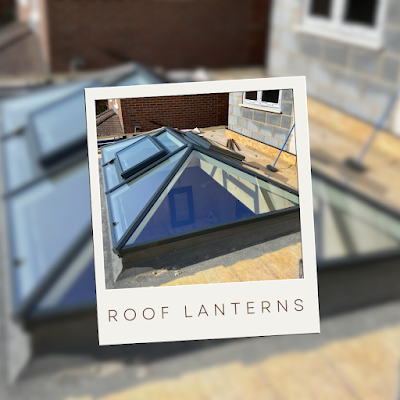
Doorwins Aluminium Group stand as one of the top-rated windows and doors companies in London. Our company supply and professionally fit roof lanterns and sliding doors for homes, offices and commercial buildings.
Our every glazing installation highlights why Doorwins remains a trusted brand in London’s double glazing industry. Whether you need luxury bifold or patio doors, our team will deliver a bespoke glazing solution.
As a reputable double glazing supplier in London, we’re proud to combine design, durability and performance in every manufacture.
AREAS COVERED: North London, West London, South London, East London, Central London, Inner London.
Doorwins aluminium windows and doors
Address: Office 3, 186 Greenford Ave, London W7 3QT
Phone: 020 8629 1171
Aluminium Products: Slimline aluminium windows; lift-and-slide aluminium doors; roof lanterns. All with double glazing and PAS 24-ready options.
Service Modes: Suppliers offering supply only, full survey → design → fabrication → installation for new builds, extensions, replacements, refurbishments.